Exploring cultural perspectives on gambling across the globe
The Historical Context of Gambling
Gambling has a rich and varied history that transcends cultures and continents. From ancient civilizations in Mesopotamia, where dice were carved from bones, to the opulent gaming houses of Europe in the 18th century, the act of wagering has consistently held significance in human society. Understanding the historical context helps to frame contemporary attitudes towards gambling, illustrating how cultural evolution influences perceptions of risk and reward. Today, many people engage in activities like money online slots as part of this longstanding tradition.

In many cultures, gambling was initially tied to religious practices and rituals. For example, in some Native American tribes, games of chance were often part of spiritual ceremonies. Over time, as societies became more structured, gambling evolved into a popular pastime, reflecting the social dynamics and economic systems of the time. This historical perspective reveals how deeply rooted gambling is in human behavior and social interaction.
Cultural Attitudes Towards Gambling
Cultural attitudes towards gambling vary significantly across the globe. In some societies, such as in parts of Europe, gambling is viewed as a form of entertainment and leisure. Many countries have legalized and regulated gambling activities, creating a booming industry that attracts tourists and generates tax revenue. In contrast, other cultures perceive gambling as a vice, often associating it with moral decay and social issues.
For instance, in many Asian countries, such as China, gambling is often linked to luck and prosperity, playing a crucial role during festivities like the Lunar New Year. This perception has led to the growth of massive gambling hubs like Macau, where millions flock to test their fortunes. Conversely, in more conservative societies, gambling may be banned outright, reflecting a broader cultural resistance to risk-taking behaviors.
The Role of Technology in Gambling
Technology has revolutionized the gambling landscape, making it more accessible and appealing than ever before. The rise of online casinos and mobile gaming apps has transformed how people engage with gambling across various cultures. This shift has opened up new markets, allowing individuals to gamble from the comfort of their homes, thereby removing geographical barriers.
However, the technological evolution also brings challenges, as issues of addiction and regulatory compliance become more complex. Different cultures have reacted to this technological shift in unique ways, with some countries embracing online gambling while others impose strict regulations or outright bans. The ongoing dialogue about responsible gambling and technology’s role in fostering inclusive environments is a critical topic across cultural discussions.
Famous Gambling Destinations Around the World
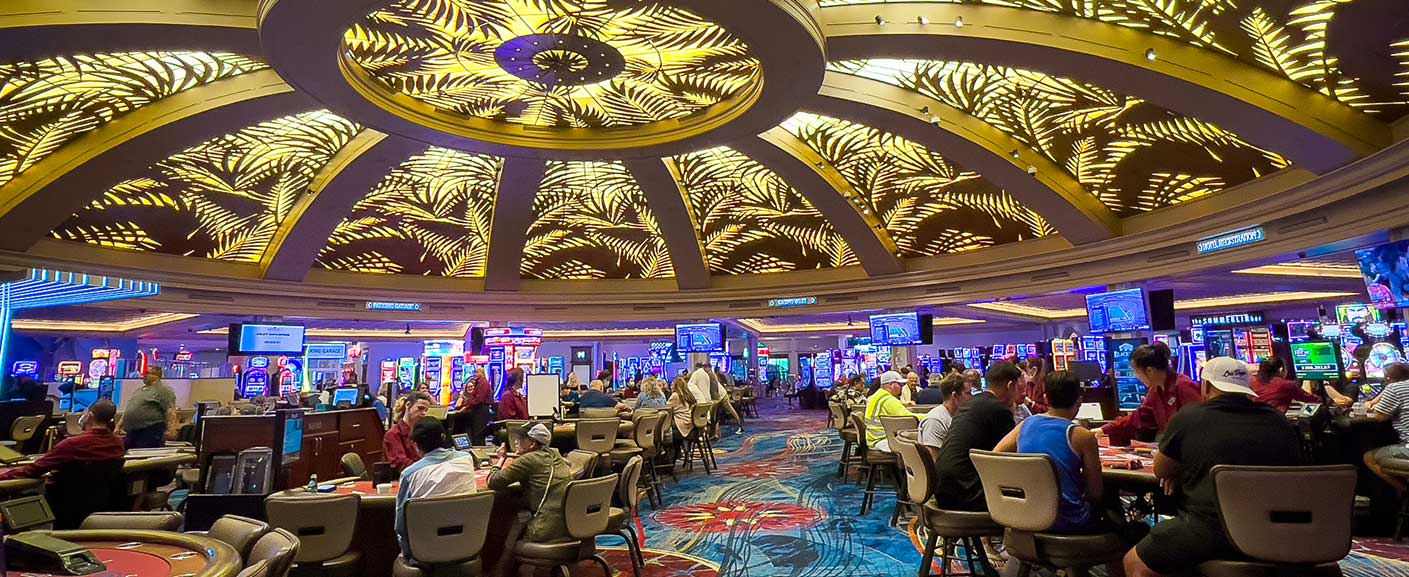
Across the globe, certain cities have gained notoriety for their gambling scenes. Las Vegas, often dubbed the “Entertainment Capital of the World,” is synonymous with extravagant casinos and vibrant nightlife. Its allure draws millions each year, showcasing a culture that celebrates risk-taking and entertainment.
Similarly, cities like Monte Carlo and Singapore have developed their own unique gambling cultures, blending luxury with high-stakes gaming. These destinations often cater to a wealthy clientele, establishing themselves as glamorous hubs for those seeking thrill and excitement. The cultural nuances of these gambling hotspots contribute to their appeal, attracting diverse audiences and shaping local economies.
Understanding Global Gambling Trends
As gambling continues to evolve, understanding global trends becomes essential for stakeholders in the industry. Factors such as legalization, cultural acceptance, and technological advancements play pivotal roles in shaping the future of gambling worldwide. This evolution often reflects broader societal changes, including shifts in leisure activities and economic conditions.
Moreover, as gambling becomes more prevalent, conversations surrounding responsible gaming practices, addiction, and regulation intensify. It’s vital to consider these issues within the context of cultural perspectives to foster environments that prioritize player safety while embracing the entertainment value gambling can offer. This balanced approach will ensure that gambling remains a sustainable and culturally relevant activity.












































































































































































































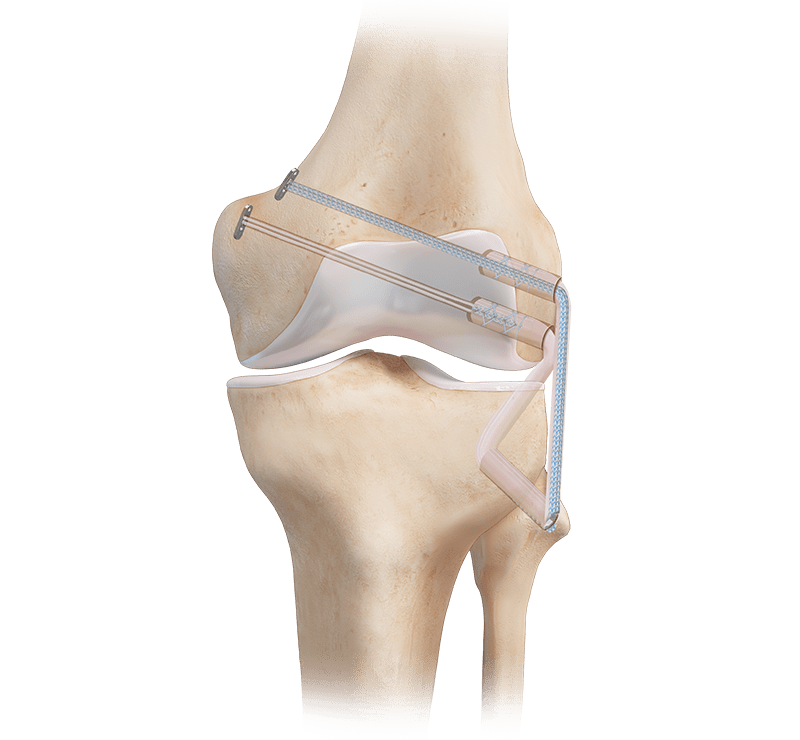



















 Knotless Double-Row Repair by
 Knotless Single Row Repair by SpeedFix
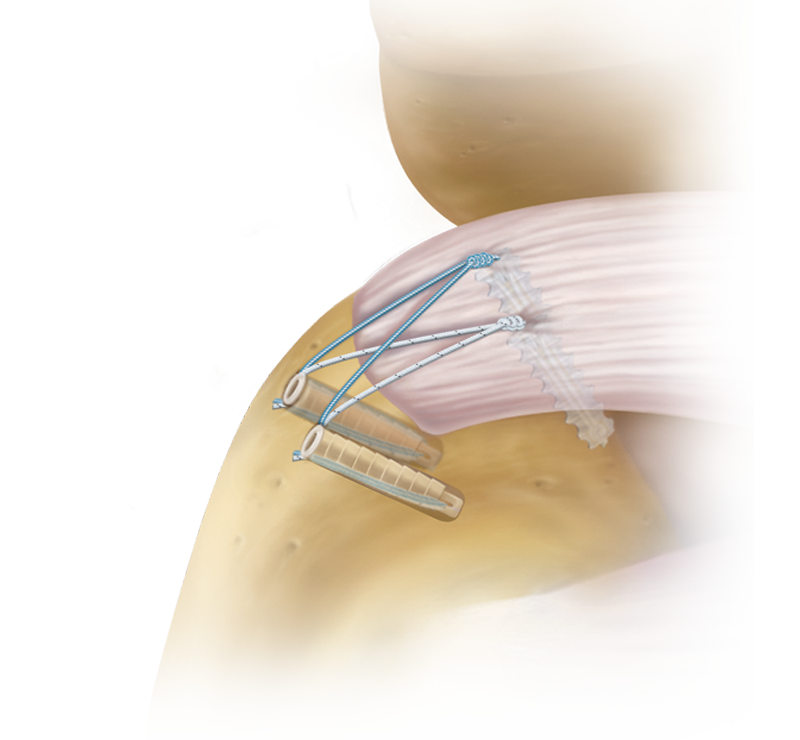 Double Row Repair by SutureBridge
 2.6 FiberTak® Soft Anchor Technique
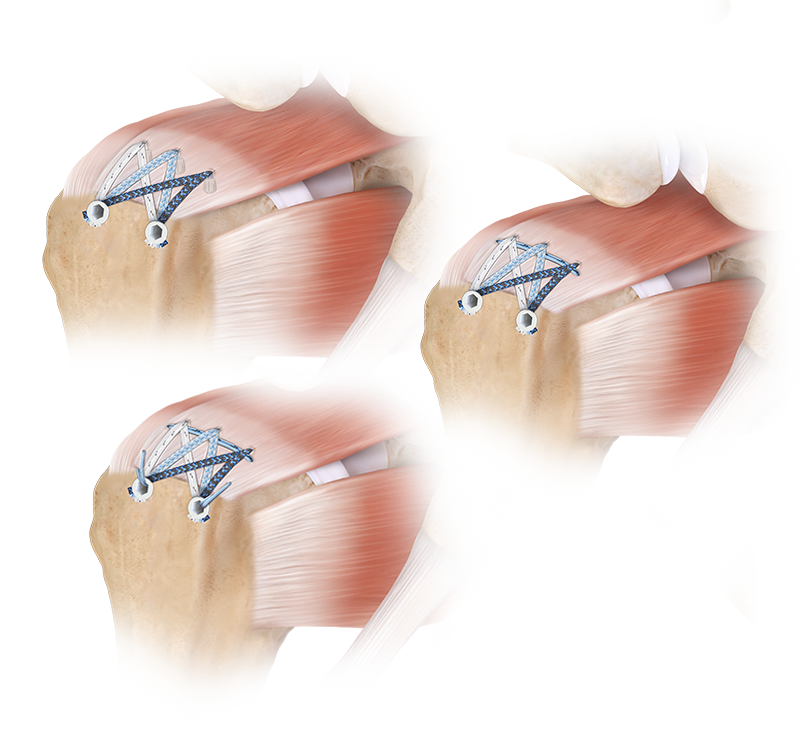 FiberTak® SpeedBridge™ Rotator Cuff
 PASTA Repair Technique
 Superior Capsular Reconstruction
 Knotless Tensionable Technology using
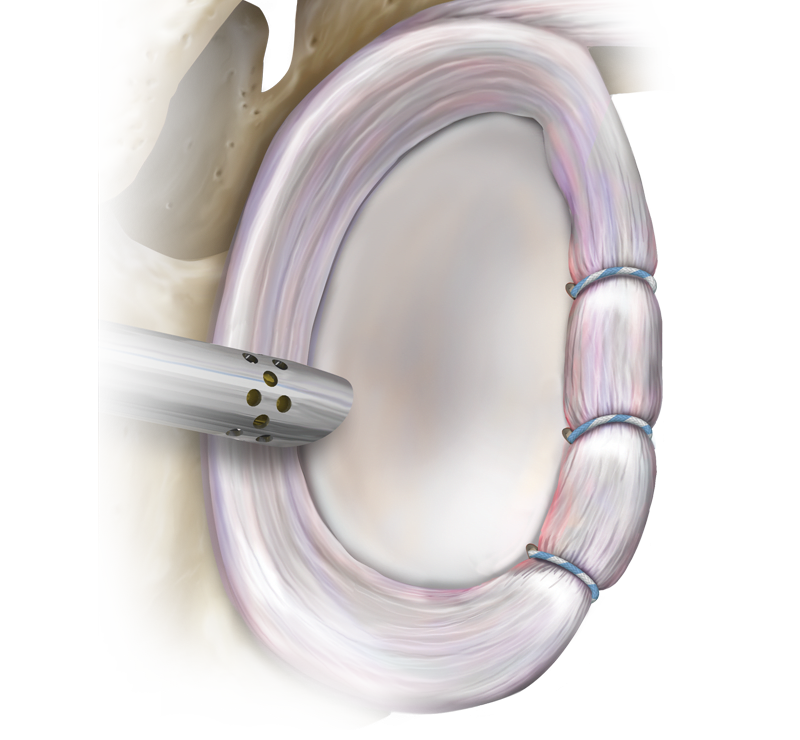 Anchor first technique using Knotless
 Suture First Knotless Anchor Technology
 FiberTak® Soft Anchor Technique
 SutureTak® Technique
 FASTak®/FASTak® II/Bio-FASTak®
 Latarjet/Coracoid Process Transfer for
 Arthroscopic Metal-Free Bone
 Loop ‘N’ Tack™ Biceps Tenodesis
 SwiveLock® Tenodesis Technique
 FiberTak® Button Tenodesis Technique
 Tenodesis Technique
 Cortical Button Tenodesis Technique
 Tension-Slide Technique


