The historical evolution of gambling From ancient rituals to modern practices
Origins of Gambling in Ancient Civilizations
The history of gambling dates back thousands of years, with evidence found in various ancient civilizations. Archaeological discoveries suggest that as early as 3000 BC, the Chinese engaged in games involving dice, which were integral to their religious rituals. Similarly, ancient Egyptians played games of chance using rudimentary boards and tokens, indicating that gambling was not just a pastime but also intertwined with cultural practices and beliefs. In today’s world, exploring options for online casinos offers a modern twist to this age-old activity.

In Mesopotamia, clay tablets reveal that betting on outcomes was a common activity among the populace, often involving predictions on various events, from sports to military outcomes. This early form of gambling laid the groundwork for the development of more complex games and betting systems that would evolve over centuries.
The Role of Gambling in Ancient Rome and Greece
As societies progressed, gambling became a staple in both Roman and Greek cultures. In ancient Rome, gambling was prevalent among soldiers, and various games, including dice and betting on gladiatorial contests, flourished. This not only entertained the masses but also served as a means of social interaction, as gatherings often revolved around gambling events.
Meanwhile, the Greeks introduced various betting practices, particularly in sports. The Olympic Games, which began in 776 BC, featured betting on athletic events, further embedding gambling into the fabric of society. These practices reflected a growing sophistication in gambling, transitioning from simple games of chance to more organized betting scenarios.
The Middle Ages and the Rise of Gambling Houses
The Middle Ages witnessed significant changes in gambling practices, particularly with the establishment of gambling houses. These venues offered a more structured environment for betting, often featuring card games and various forms of entertainment. Despite occasional bans by the Church, which viewed gambling as sinful, these establishments thrived, indicating the enduring appeal of gambling across social classes.
The introduction of playing cards in the 14th century revolutionized gambling, paving the way for popular games like poker and blackjack. This period marked a transition from ancient rituals to more organized and regulated forms of gambling, highlighting its evolution into a widely accepted societal activity.
The Advent of Modern Gambling Practices
The 19th and 20th centuries brought about a seismic shift in gambling practices, particularly with the advent of casinos. The first official casino, established in Venice in 1638, set the stage for gambling as a commercial enterprise. By the mid-20th century, Las Vegas emerged as the gambling capital of the world, offering a range of entertainment options alongside traditional gaming, from lavish shows to fine dining.
Technological advancements further transformed gambling practices, with the introduction of online casinos and sports betting platforms in the late 1990s. This digital revolution made gambling accessible to a broader audience, allowing players to engage in their favorite games from the comfort of their homes, a phenomenon that continues to grow exponentially.

Judicial Selection and the Future of Gambling
As gambling continues to evolve, it remains essential to understand its legal landscape. The relationship between judicial selection processes and gambling regulation is crucial in shaping the future of the industry. Legal frameworks often dictate the operations and accessibility of gambling, reflecting societal attitudes toward this age-old practice.
Websites dedicated to providing information about judicial selection and related topics play a significant role in educating the public on the implications of legal decisions on gambling practices. By understanding these connections, individuals can better navigate the complex world of gambling and its regulations, ensuring a more informed approach to participation in this enduring activity.











































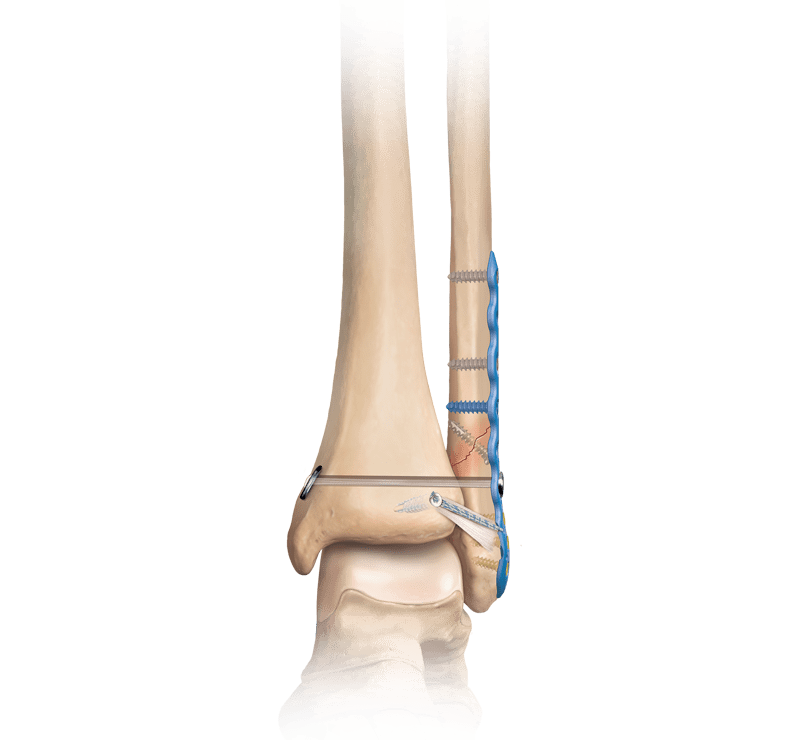

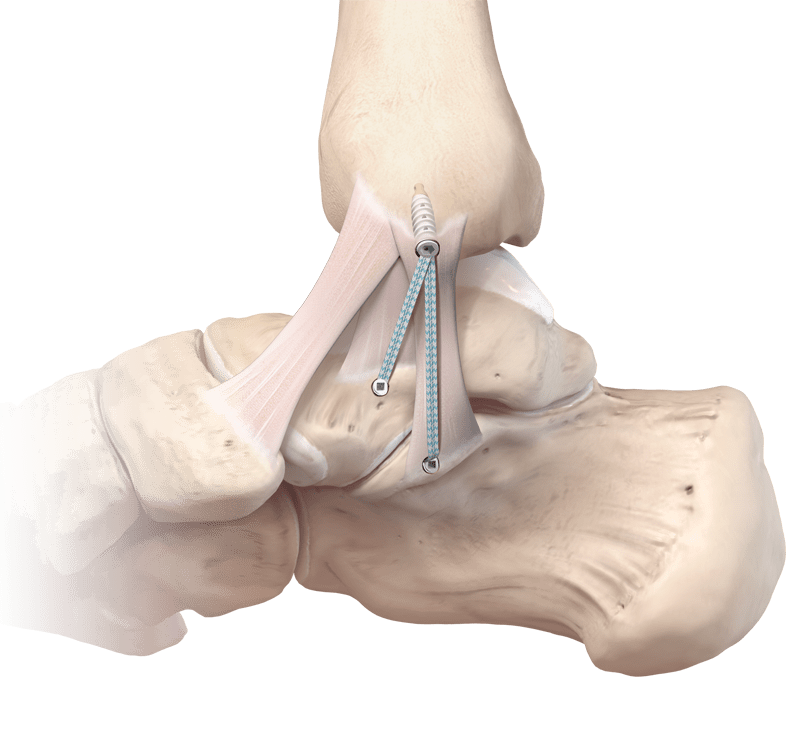

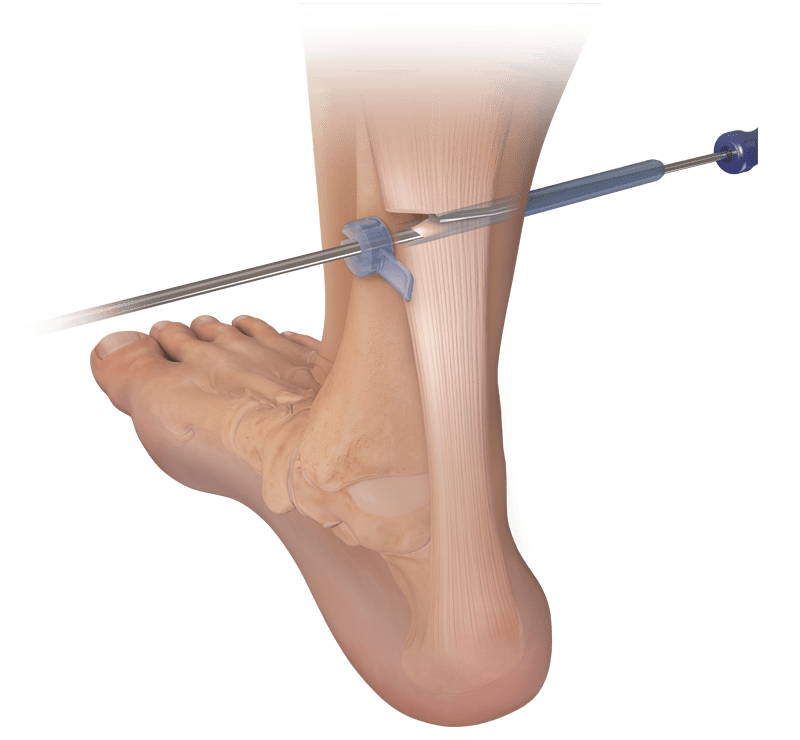
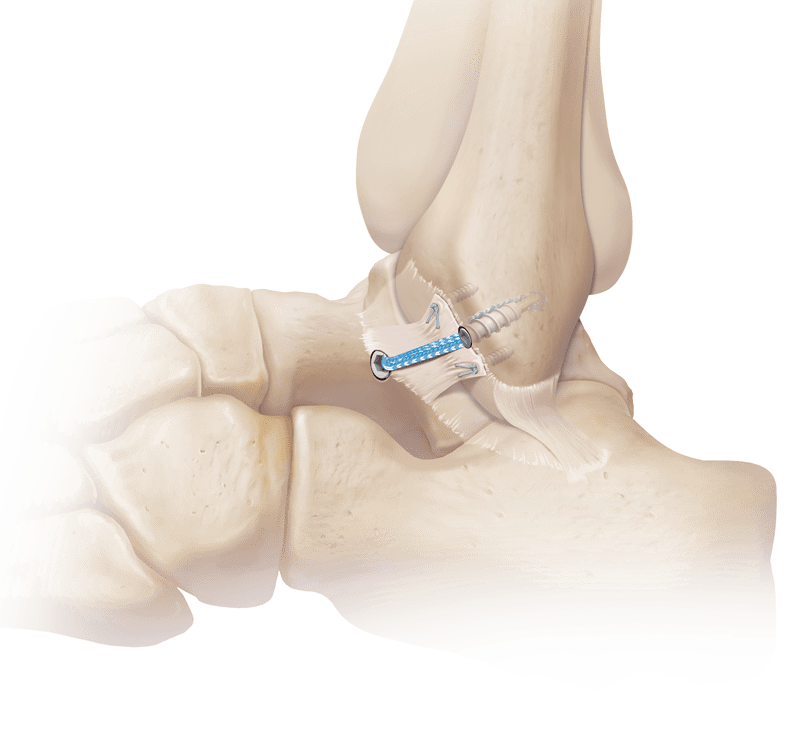


































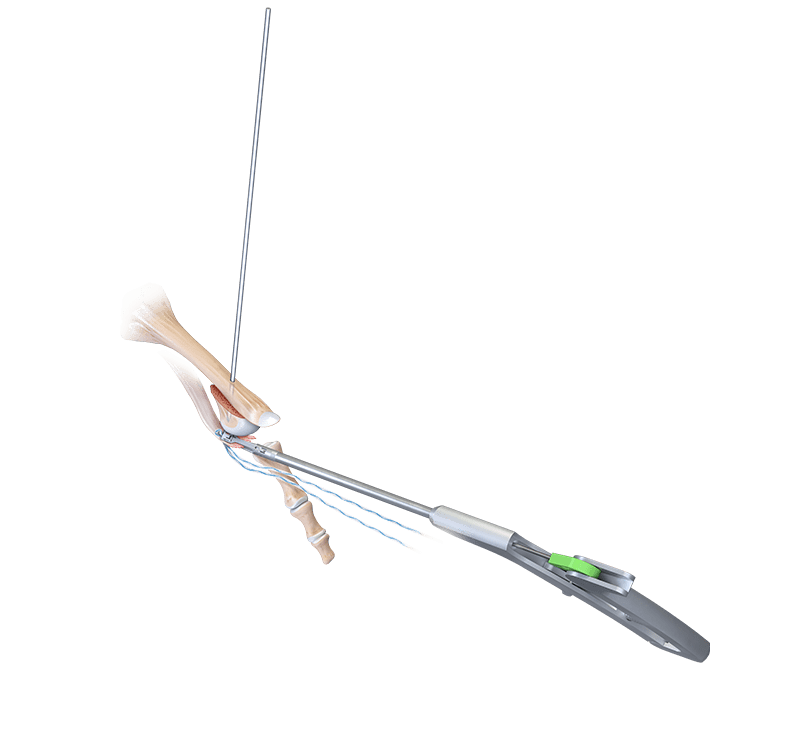




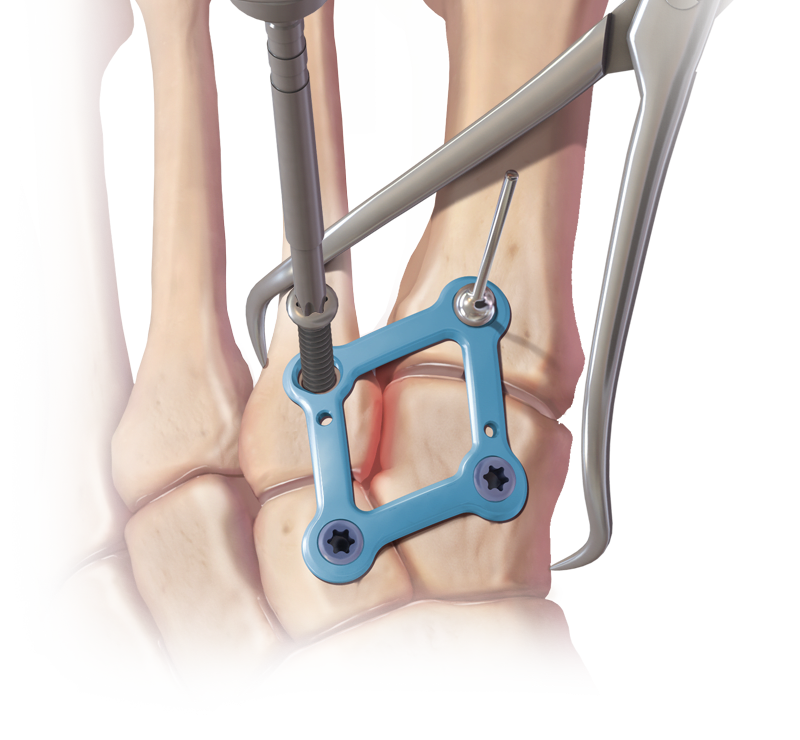
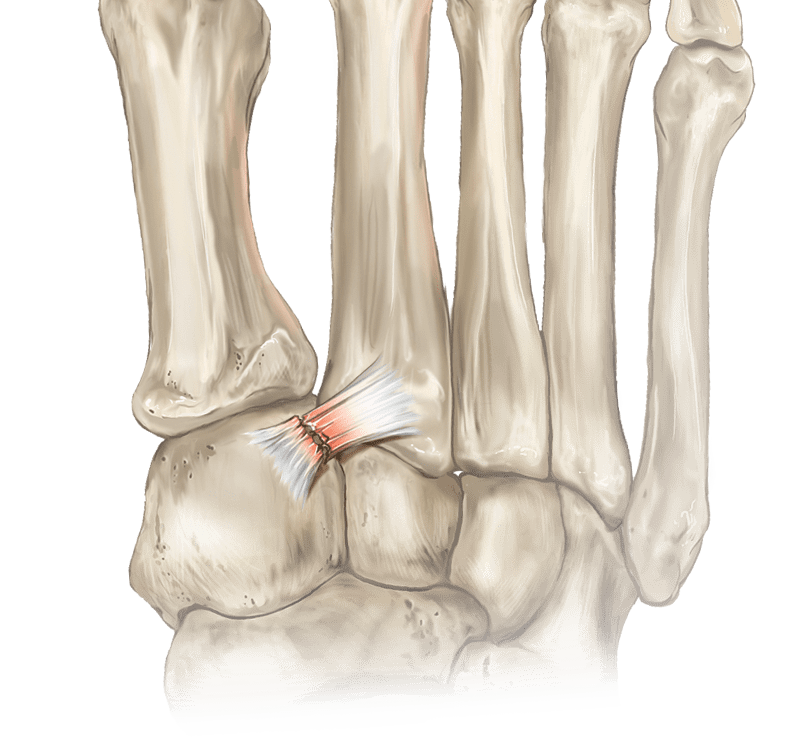

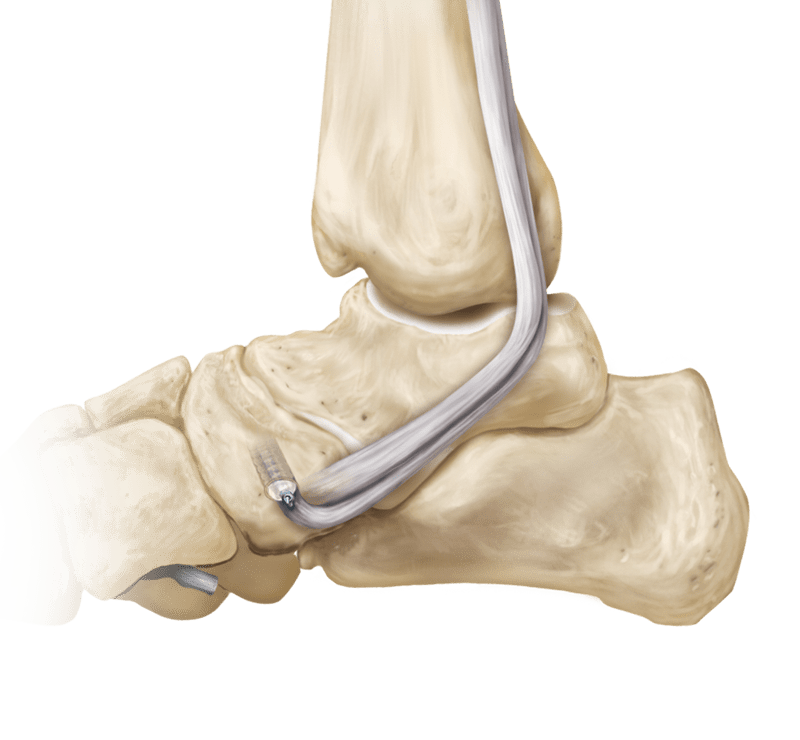











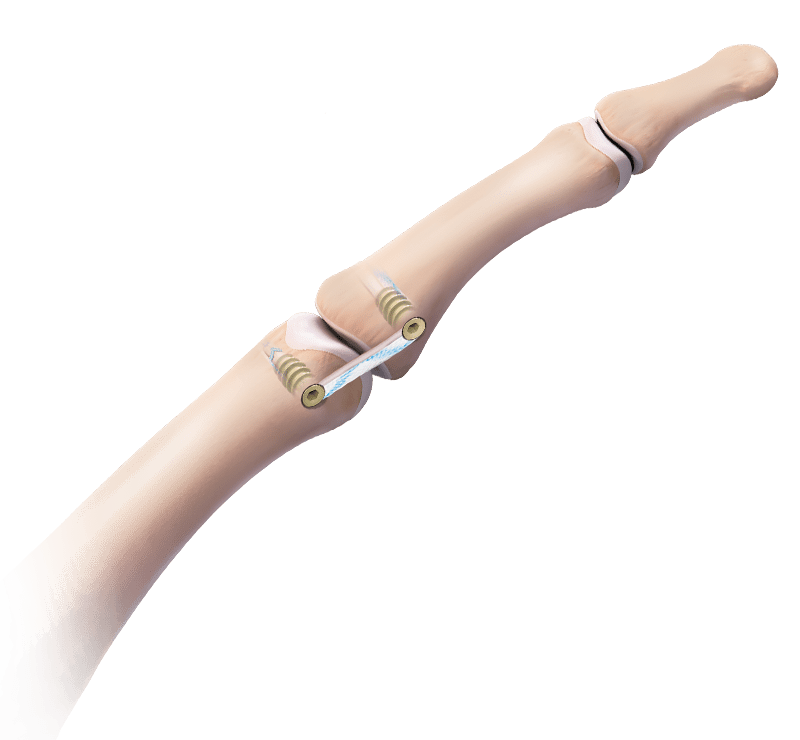



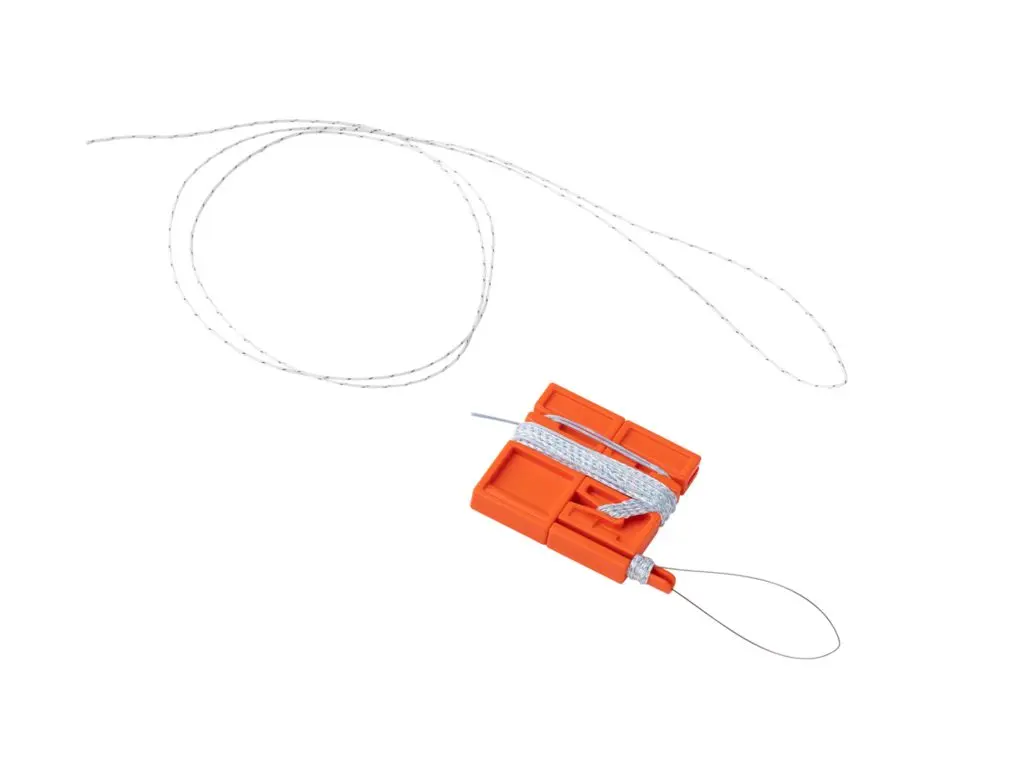

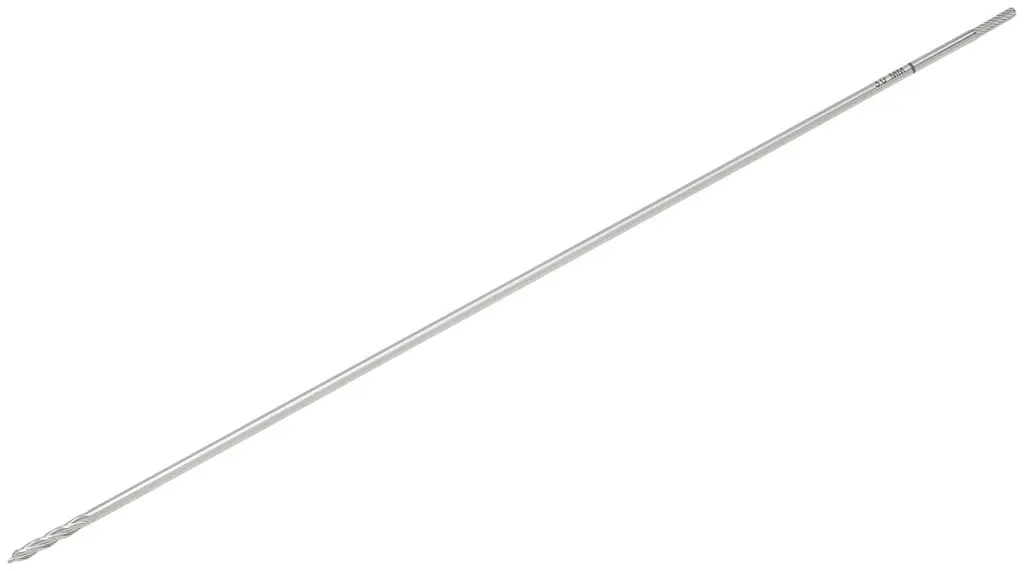




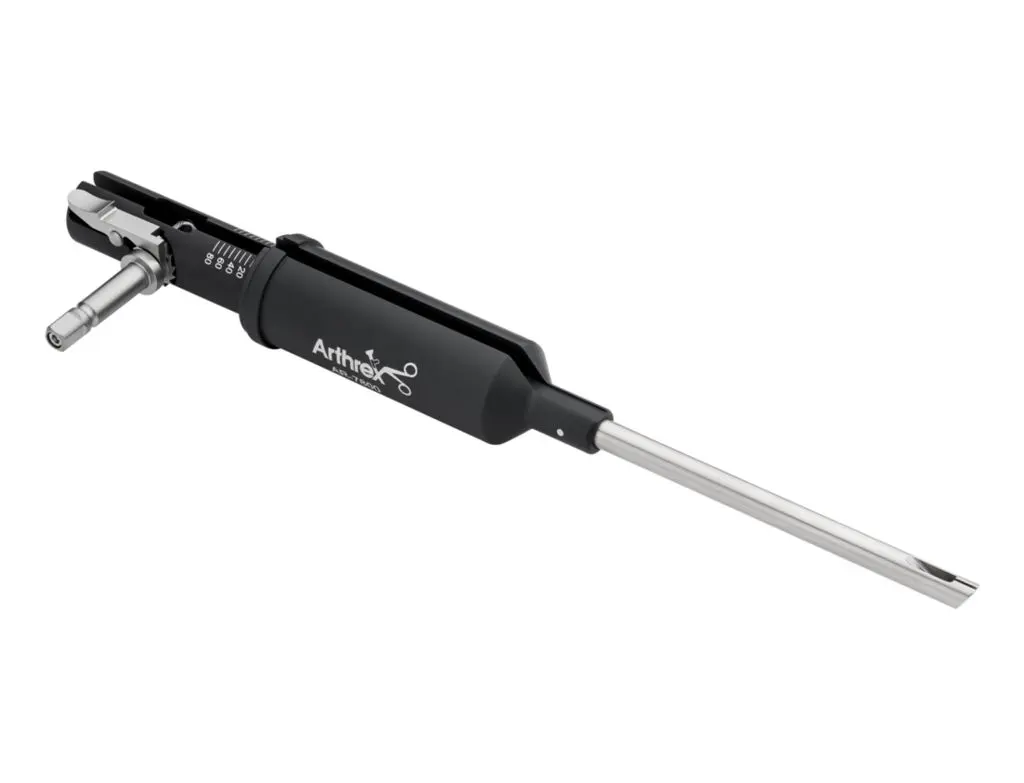





















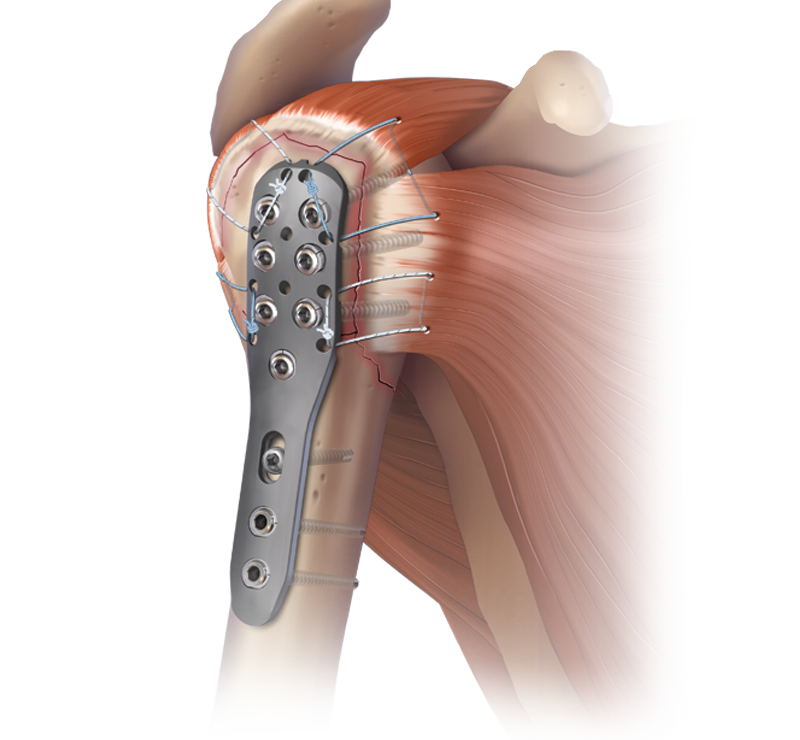
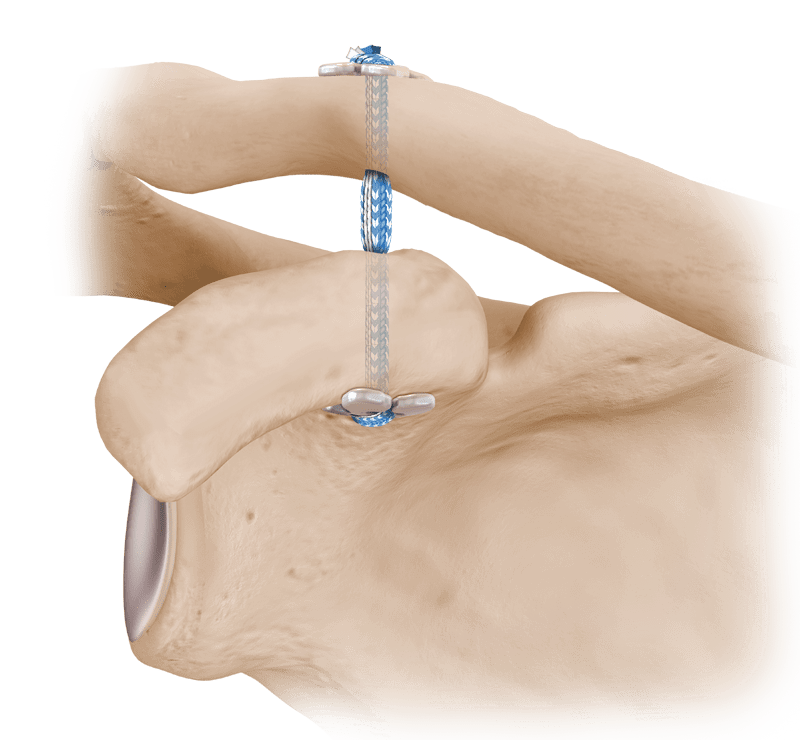
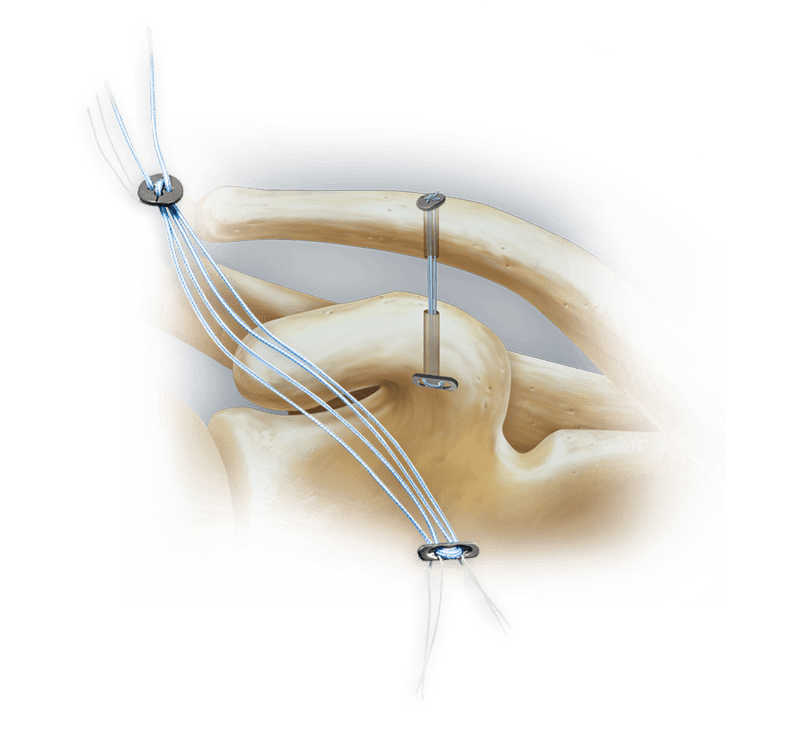

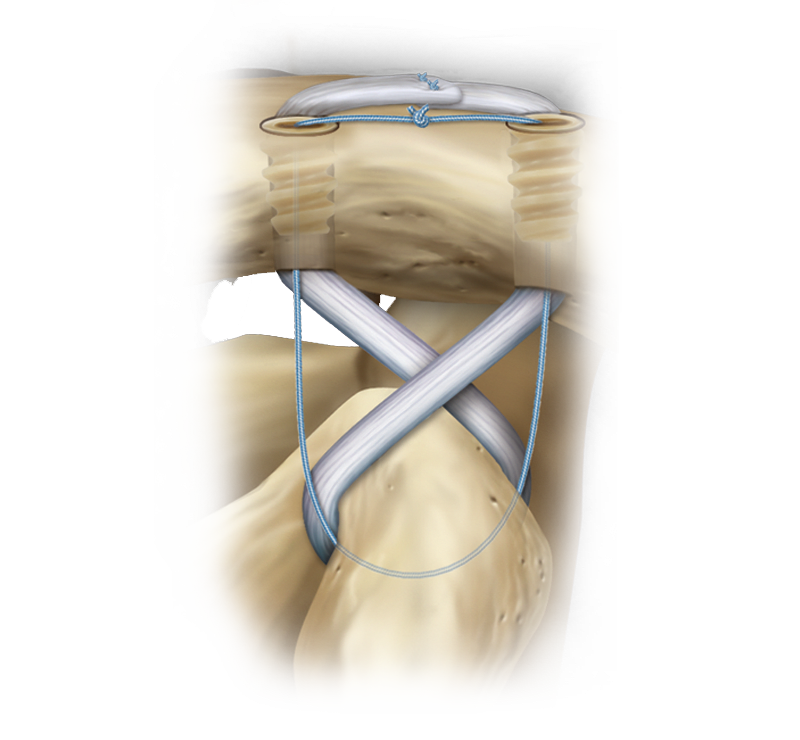










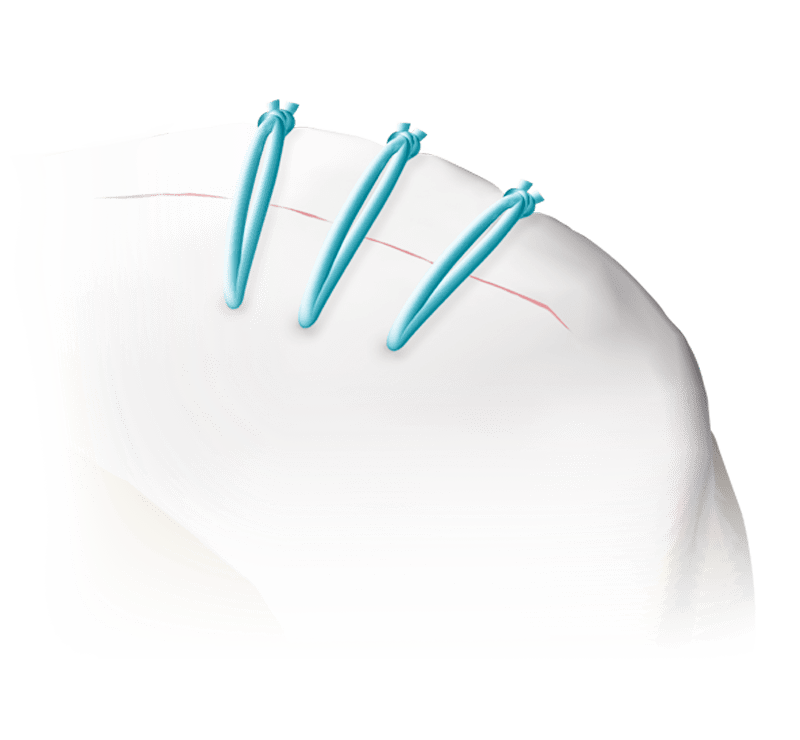
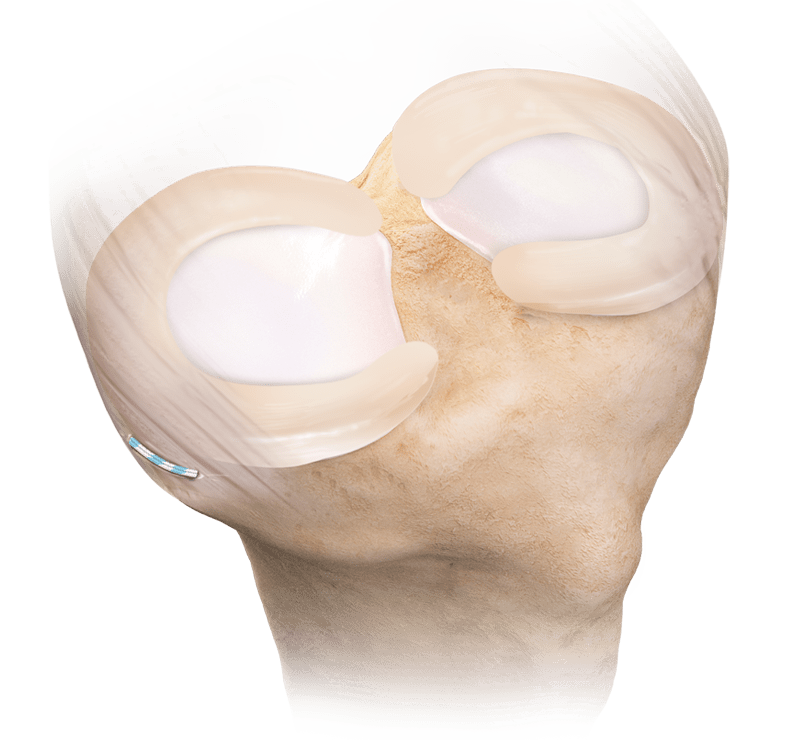
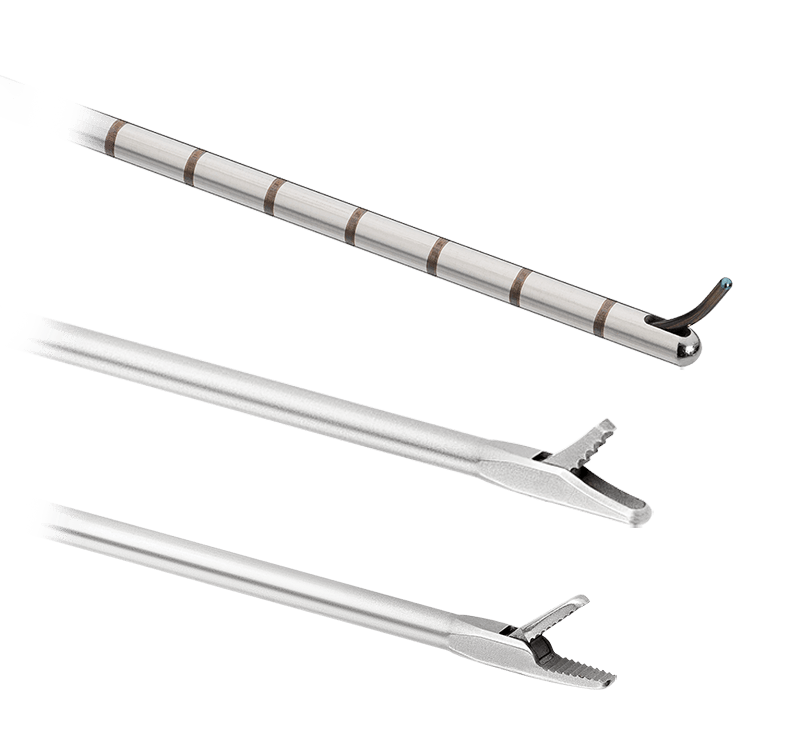
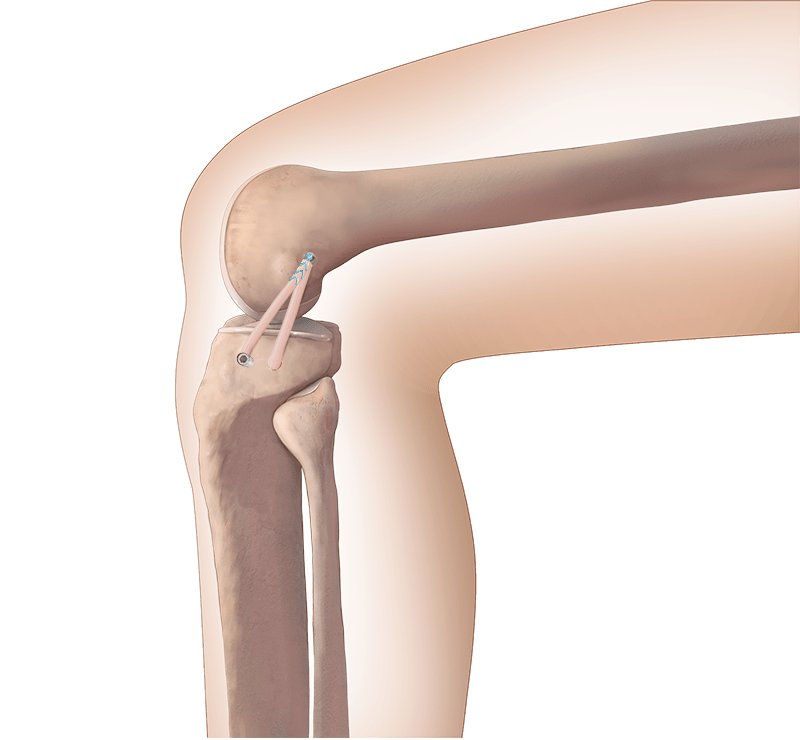


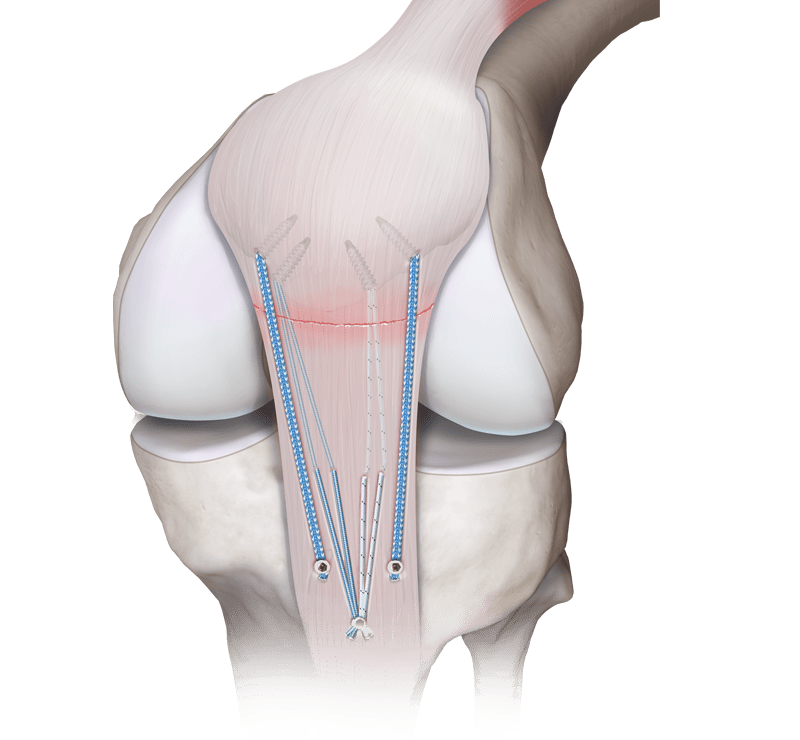
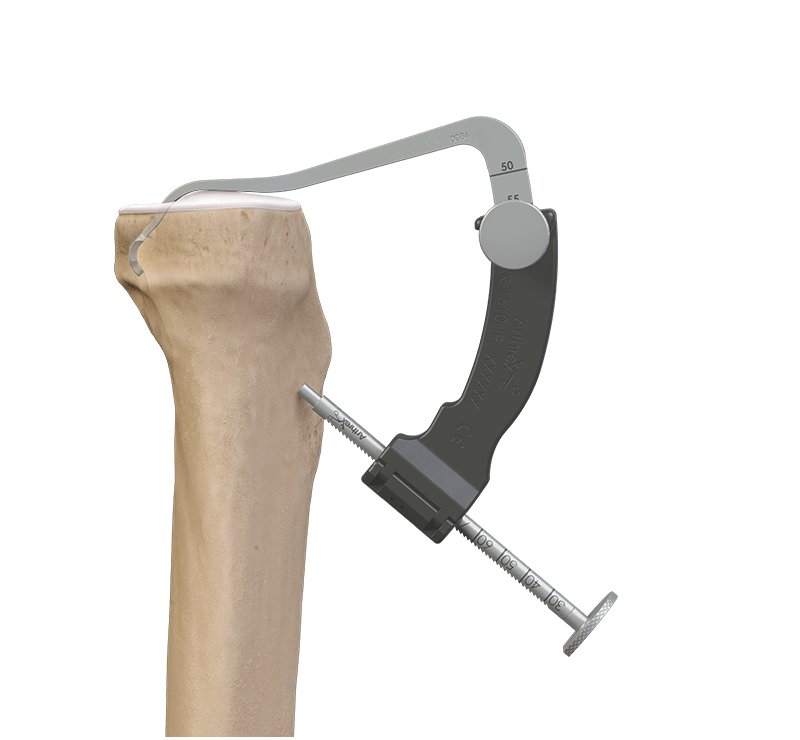












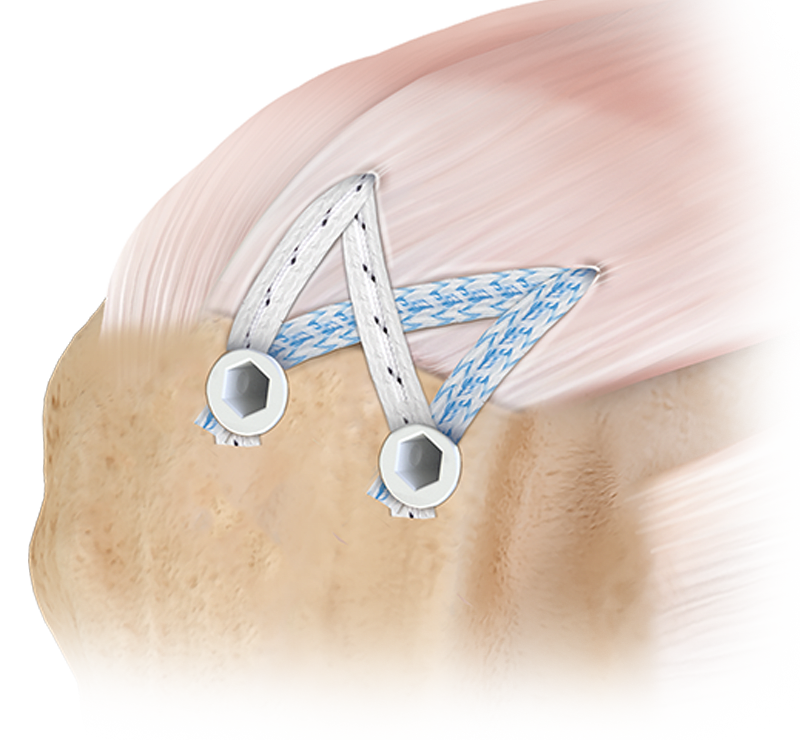 Knotless Double-Row Repair by
 Knotless Single Row Repair by SpeedFix
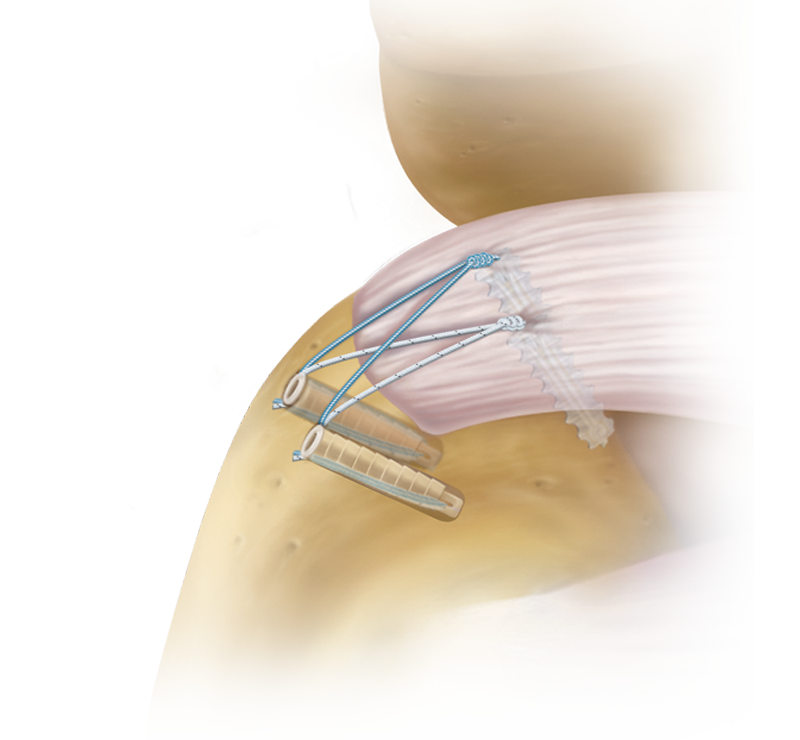 Double Row Repair by SutureBridge
 2.6 FiberTak® Soft Anchor Technique
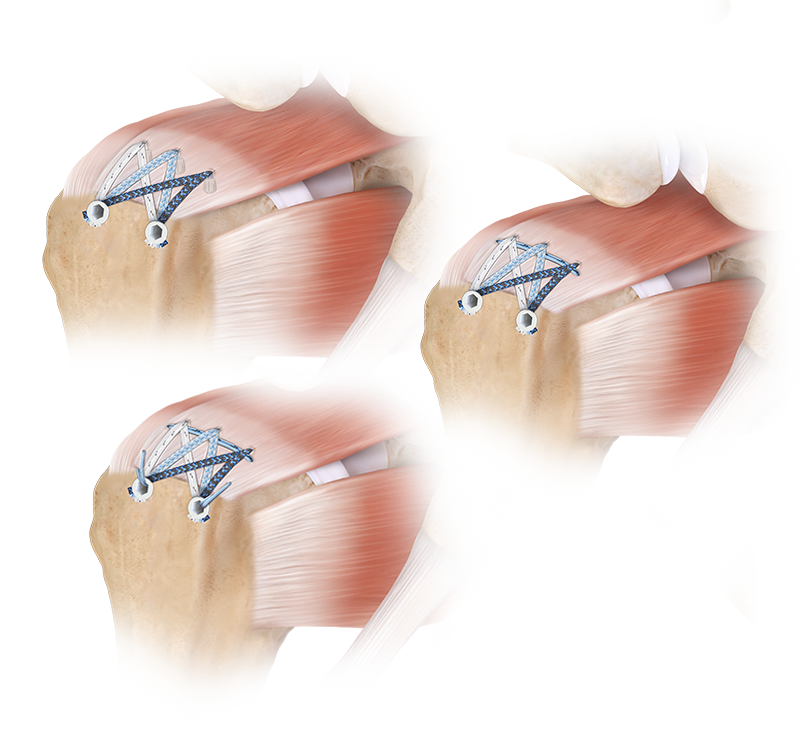 FiberTak® SpeedBridge™ Rotator Cuff
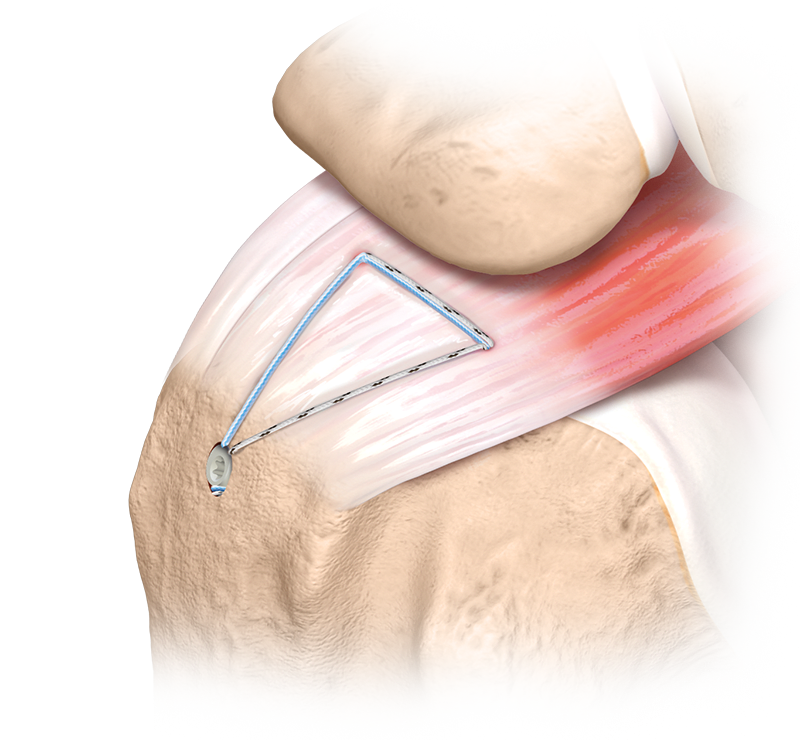 PASTA Repair Technique
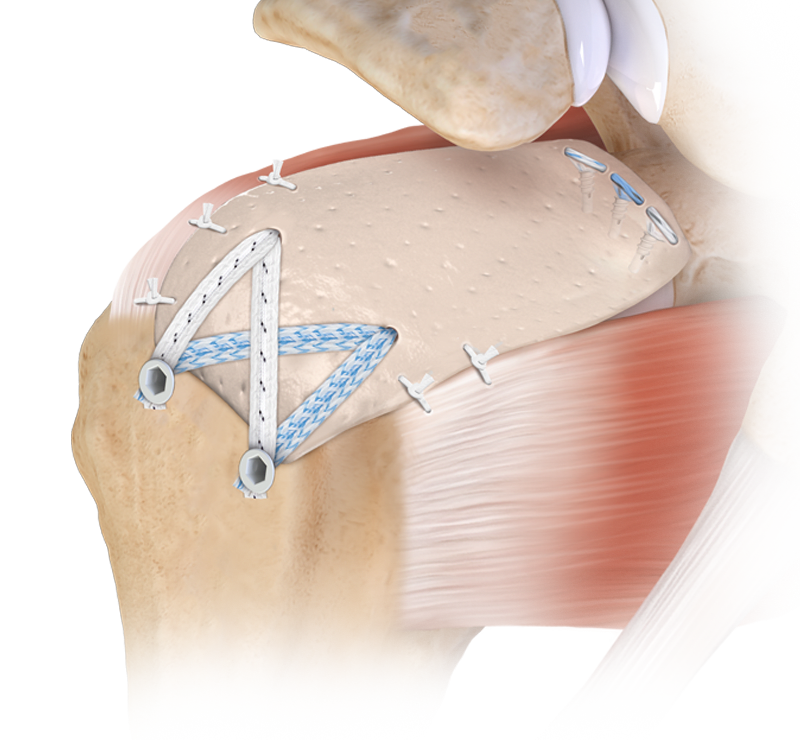 Superior Capsular Reconstruction
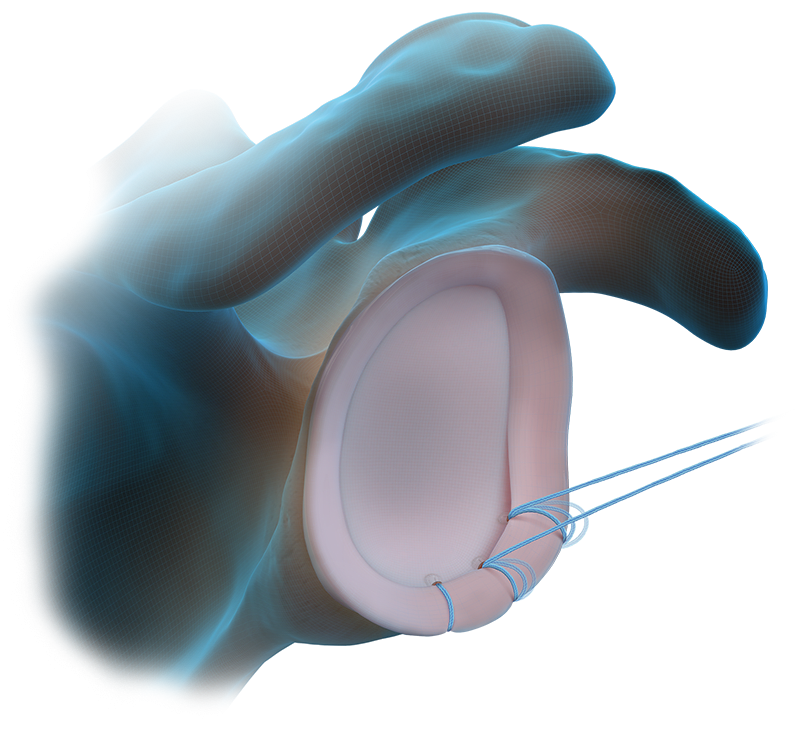 Knotless Tensionable Technology using
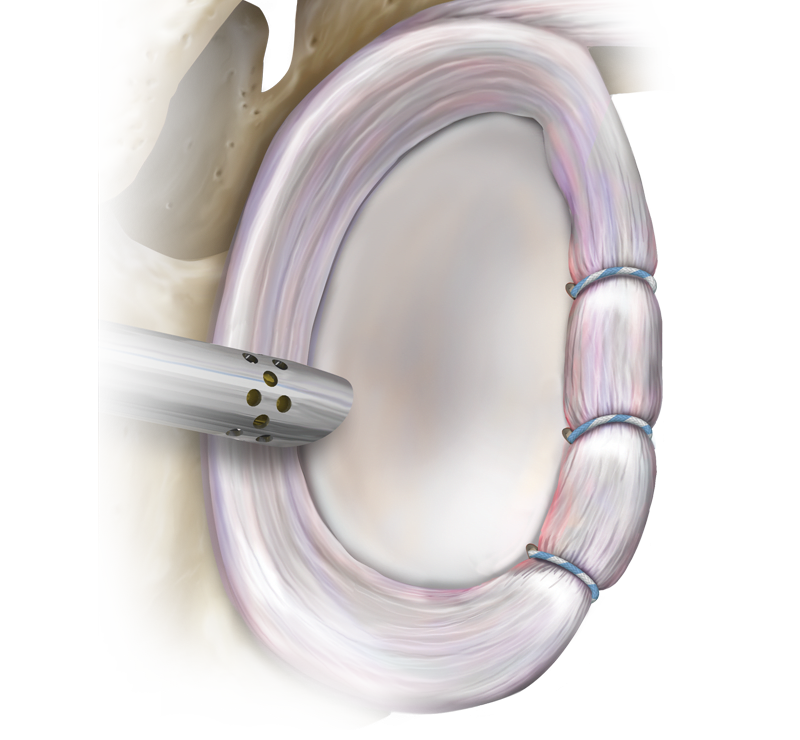 Anchor first technique using Knotless
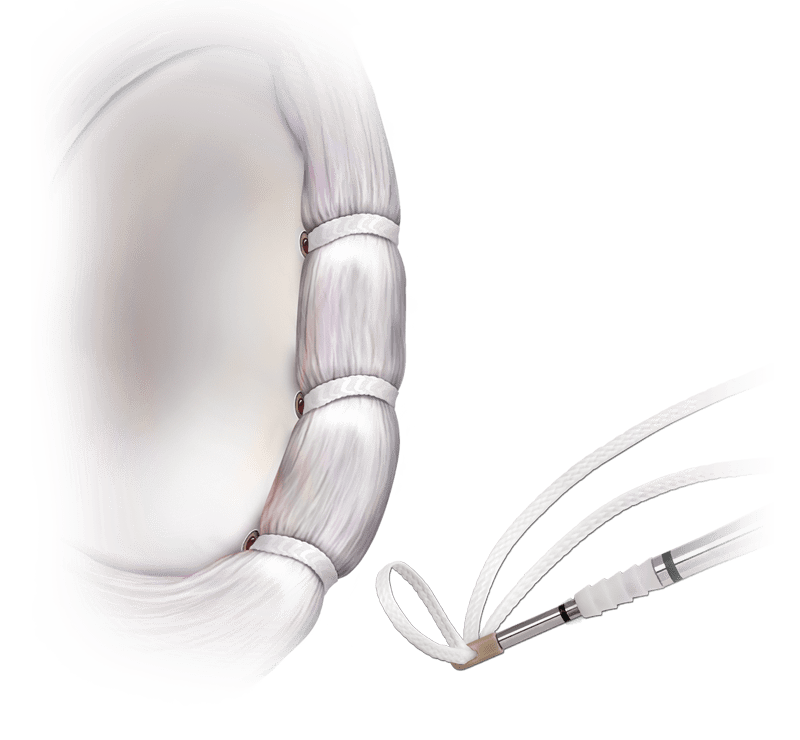 Suture First Knotless Anchor Technology
 FiberTak® Soft Anchor Technique
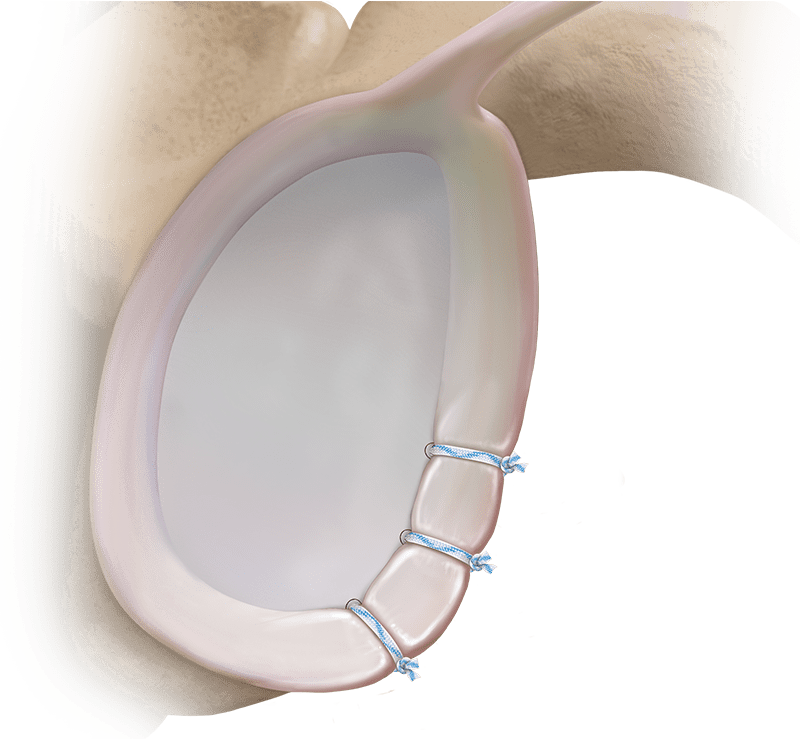 SutureTak® Technique
 FASTak®/FASTak® II/Bio-FASTak®
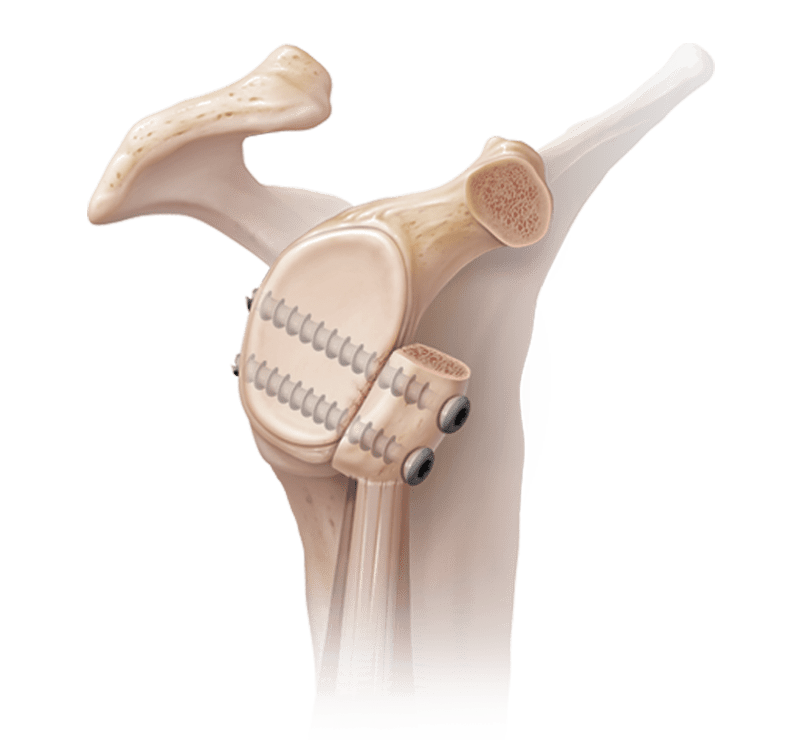 Latarjet/Coracoid Process Transfer for
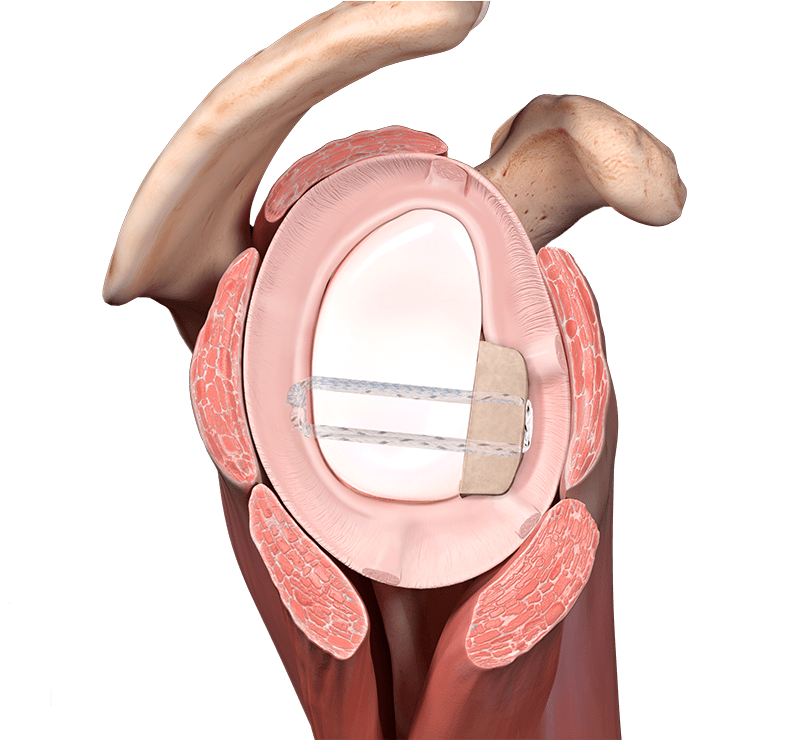 Arthroscopic Metal-Free Bone
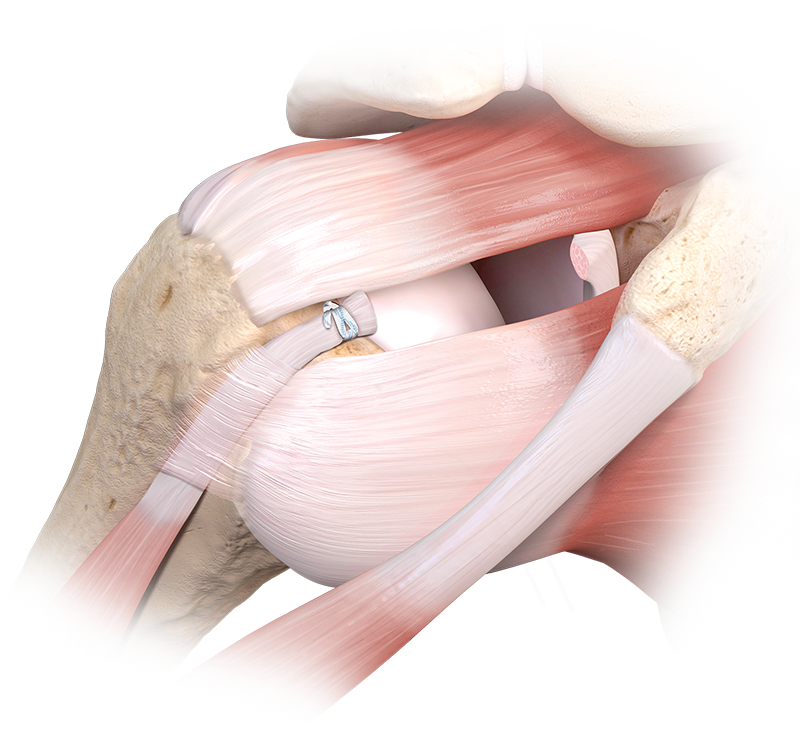 Loop ‘N’ Tack™ Biceps Tenodesis
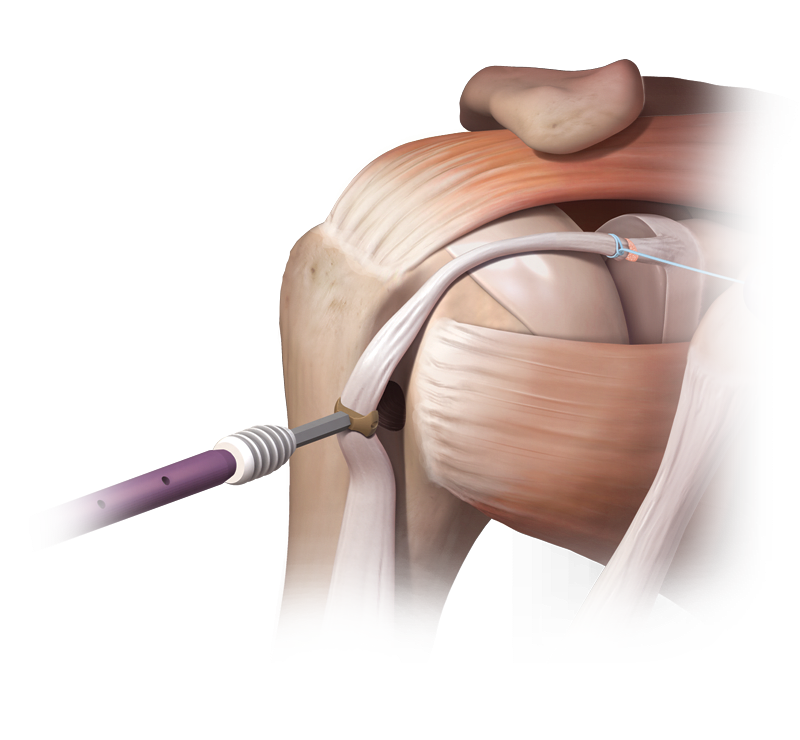 SwiveLock® Tenodesis Technique
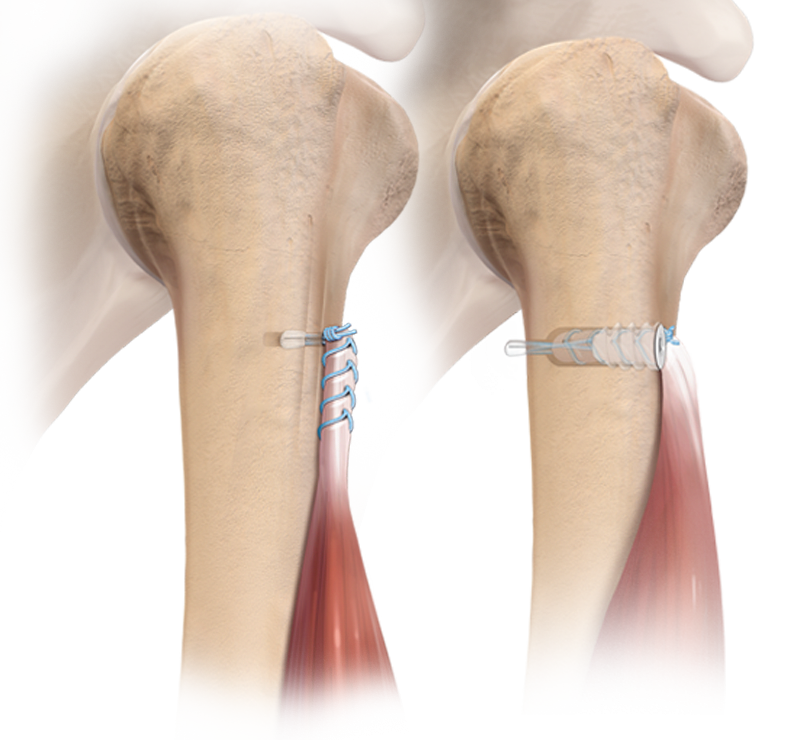 FiberTak® Button Tenodesis Technique
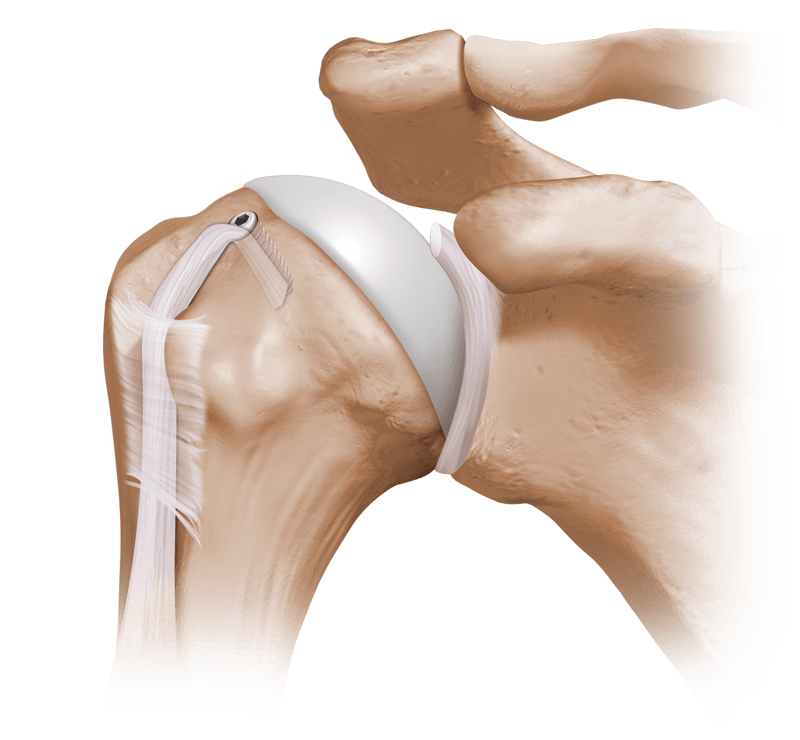 Tenodesis Technique
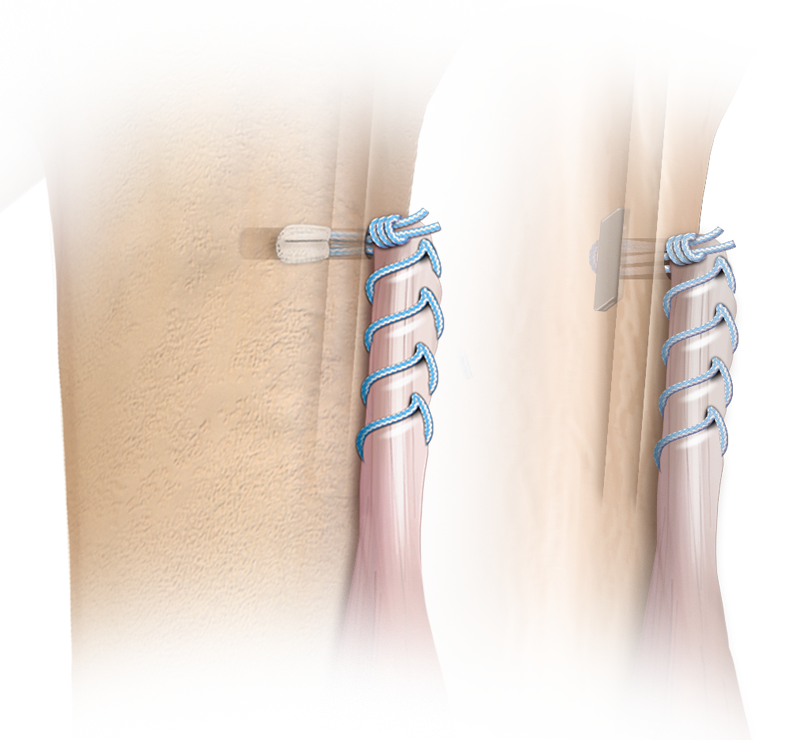 Cortical Button Tenodesis Technique
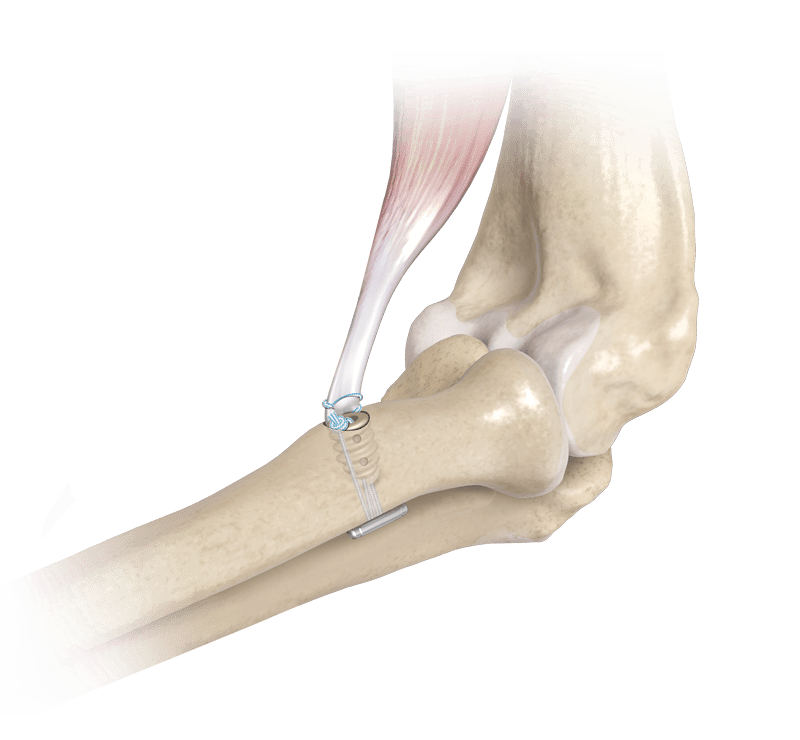 Tension-Slide Technique


